Travelling Alone? Avoid These Hidden Costs Singles Often Pay
Author:Andy
When I planned my solo trips in 2025, I quickly ran into what's known as the “single tax” - extra charges that only solo travellers pay. The first time I saw it on a hotel bill, I thought it was a fluke. After a few more bookings, the pattern was undeniable: travelling alone often costs more per person. Reports and surveys show this isn't just my experience; it's a widespread trend.
How Much Extra You Might Be Paying
One of the most common surprises is the single supplement fee. This isn't a hidden tax in the legal sense, but an added amount charged when you book a space priced for two people and only occupy it yourself. For many hotels and tour packages, rates assume double occupancy. If a room costs $500 per night overall, two people split that cost; I saw that same $500 billed to me alone when booking rooms without a roommate.
Industry-wide, these charges range from roughly 10% to 100% above the base price that couples effectively pay per person—with many situations landing in the 18%–50% range. In extreme cases, solo travellers are paying the whole room at the same rate designed for two.
In tours and cruises I looked at for Europe and Africa in 2025–2026, single supplements varied dramatically. Some small safari camps listed rates where solo guests paid 50% more than a per-person shared rate; other boutique lodges offered flat-rate pricing even for solo stays, saving a substantial amount.
For guided tours, there are occasional deals. For instance, on several 2025–2026 Europe tours marketed through group booking platforms, the single supplement was waived for early solo bookings, or limited discounts (e.g., 50% off) were offered for North American departures.
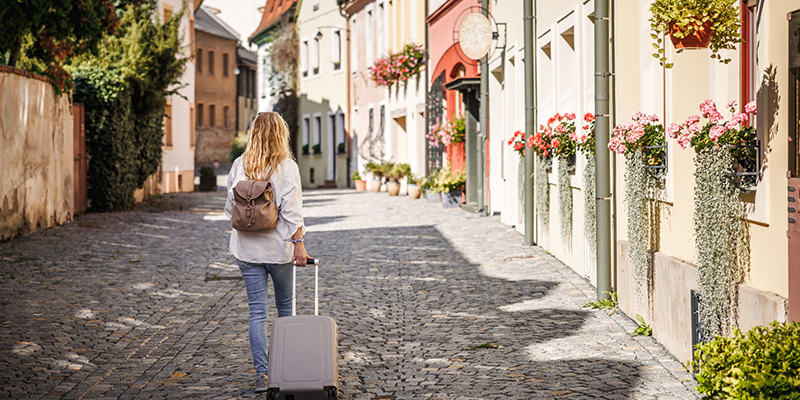
Hidden Solo Costs Beyond Accommodation
Beyond single supplements, there are several less obvious expenses that add up quickly once you travel alone.
Dining costs can be higher per person
Many restaurants in Europe and Asia price some menus or set meals per person rather than per table. In Paris, solo travellers often end up choosing the “prix fixe” lunch or dinner menu (€20–€35 / ~$22–$38) because ordering à la carte feels too expensive on your own, whereas two people could share dishes and split costs more effectively. Typical daily food costs in Paris for a solo traveller range from €90–€130 (~$100–$145), including meals, coffee, and snacks—higher than if two people share portions and opt for shared appetizers.
In Bali, even mid‑range restaurants sometimes offer “set menus” for individuals that cost $12–$20, while sharing a larger meal with a travel companion would bring per-person costs down closer to $8–$12. Over a week, solo travellers can spend 15–30% more on food compared with couples or groups.
Transportation gets more expensive alone
Solo travellers miss out on cost-sharing for taxis, ride‑hailing, private transfers, and car rentals. A taxi from central Kyoto to Arashiyama Bamboo Grove might be ¥2,000–¥3,000 (~$15–$22) for one person; split between two people, that becomes ~$8–$11 each. More costly options like private airport transfers or chartered rides in off‑hours are rarely economical without a shared rate. Even on local buses and trains, buying single tickets instead of day passes or group tickets sometimes costs more per ride. Using a hybrid of public transit and occasional ride‑sharing helped optimize solo travel costs compared with relying solely on taxis.
Attraction and activity pricing
Some attractions and experiences charge price tickets per person with no volume discount. For example, several Paris museums and boat cruises charge a flat adult rate—no multi-ticket or couple discount. While a two-person ticket for Père Lachaise Cemetery guided walk might be €30 per person, that event rarely offers a group rate under “group of 2+”—meaning two people pay €60, the same per person as one solo visitor. Even in Bali or Kyoto, certain cultural workshops or small-group tours have a minimum per-person cost that doesn't drop further when more people join. Joining group tours that allow solo travellers can markedly reduce costs compared with booking a private tour.
Why this happens
Industry pricing logic still tends to price many services on a per-person basis or under a “group of 2 or more” assumption, forcing solo travellers to shoulder the same costs without a partner. As Forbes reported in 2025, many operators still rely on single supplements because the base package assumes revenue from two occupants.
Solo Travel Isn't Overshadowed by Couples and Families
In travel industry reporting from 2025, there are clear signs that solo travel is no longer a niche market. According to an industry overview published by TheTraveler.org, global online search interest in “solo travel” reached record levels in mid‑2025, and market research from luxury travel network Virtuoso found that 68% of its solo travel clients were women, underscoring the strong growth in female solo bookings.
At the same time, a Gitnux Report 2026 survey of more than 1,000 solo travellers showed that 58% were under 40 (primarily Gen Z and Millennials) and that 52% of respondents were concerned about the cost of “single supplement” fees—extra charges applied when solo travellers pay full room or tour costs that might otherwise be shared.
What I Did to Keep Costs Down
Over several trips last year, I tested strategies that made a practical difference in what I ultimately spent:
1. Compare Multiple Booking Channels
When booking flights, I regularly cross-check the direct airline site with aggregated search engines like Skyscanner. That's often where I find $100–$300 savings on international flights if booked early enough. For hotels, I routinely search both the hotel's official direct rate and third-party sites before booking. Sometimes the direct site offers perks like free cancellation or loyalty points that outweigh small price differences.
2. Look Out for “No Single Supplement” Tours
Some tour operators now explicitly offer prices without a single room surcharge or reduced supplement. Companies focusing on solo travellers or small-group trips often publish fares where the price per person is similar to what a shared-occupancy traveler would pay. This can cut $200–$800 per week on a typical guided trip.
3. Choose Accommodation by the Night, Not Travel Packages
In cities like Lisbon or Kyoto, booking my own accommodation rather than a prepriced tour package often saved 30–60% per night compared with standard hotel prices for single travellers. Hostels with private rooms or Airbnb listings with kitchen access also allowed meal prep, cutting daily costs.
4. Travel Off‑Peak Days and Seasons
Travelling outside peak holiday periods made a noticeable difference in 2025–2026 prices. In Europe, late autumn or early winter rates for flights and hotels dropped significantly compared to summer peaks.
5. Use Free Local Resources for Tours
Many cities now have local guides offering free walking tours on a tips basis. These provide quality experiences without prepaying expensive guided tour packages. Participating in these also helped decide quickly whether a paid tour was worth it, based on how much structured guidance I actually wanted.
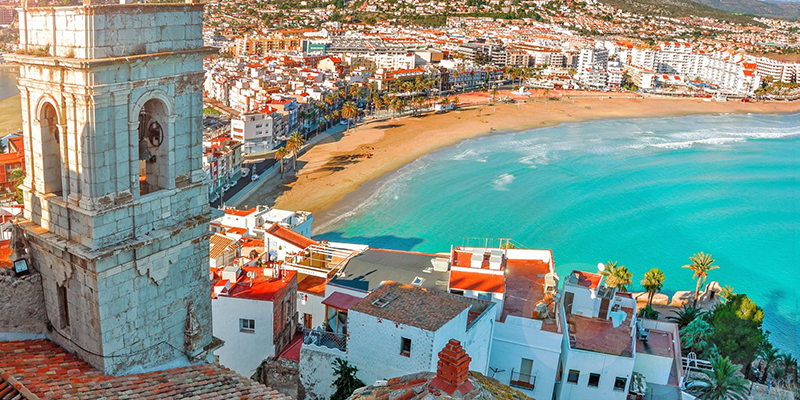
Solo-Friendly Accommodation Hacks
Beyond searching for “no single supplement” tours, there are ways to reduce or avoid solo accommodation costs:
- Seek properties with dedicated single rooms
Guesthouses, B&Bs, and small hotels in Asia and Europe often list single rooms at rates lower than double rooms with supplements. For example, in Canggu (Bali), Serenity Eco Guesthouse offered single‑occupancy rooms starting at $15–$20 per night. In Kyoto, many ryokan list “single occupancy” rooms, often including breakfast.
- Use co-living and long‑stay hostels for extended trips
Cities like Lisbon, Barcelona, and Tokyo offer co‑living spaces with private rooms and communal kitchens, 20–40% cheaper per night than standard hotels for stays of 2–6 weeks.
- Temporary roommate or room‑sharing platforms
Some operators and B&B networks pair solo travellers to eliminate solo surcharges. Pre-departure roommate matching via apps and forums is also practical and safe.
- Consider alternative stays beyond traditional hotels
Vacation rentals, guesthouses, boutique inns, and homestays are often priced per room rather than per person, letting solo travellers save on both accommodation and meals.
- Shoulder season and last‑minute opportunities
Rates and supplements are lower outside peak periods. Smaller inns in Lisbon or Kyoto may discount single rooms last minute instead of leaving them empty.
- Leverage property type and size
Small guesthouses (5–15 rooms) are flexible with single rates, especially mid-week or off-season. Personalized contact by email/phone can result in better pricing.
Destinations That Feel Friendly for Singles
Based on my own bookings and what I see across travel platforms and resource sites this year, several places stand out as relatively cost-friendly and easy to navigate for solo travellers.
Barcelona, Spain
The city has frequent flights from most European hubs and good connectivity via metro, trams, and buses, which makes getting around alone straightforward. I stayed in several hostels and guesthouses where single rooms were reasonably priced, and the vibrant hostel scene meant it was easy to meet other travellers if I wanted company.
Local attractions like Park Güell and the Gothic Quarter have manageable entrance fees, and tapas culture allows solo diners to sample multiple dishes without ordering a full meal.
Kyoto, Japan
Efficient transport, including buses and trains, makes solo sightseeing convenient. Many mid-price ryokan and B&Bs list single occupancy, and some provide small kitchens or shared dining areas, which allowed me to prepare breakfast and reduce food costs.
Cultural experiences, like tea ceremonies and temple tours, often have fixed per-person rates but are easy to join alone without feeling out of place. I also noticed that tourist information centers offer English-language guidance specifically helpful for solo travellers, which saves both time and confusion.
Lisbon, Portugal
The city's compact layout makes walking a primary mode of transportation, reducing reliance on taxis or ride-hailing services. Budget hotels and guesthouses frequently offer single rooms at rates close to shared occupancy, especially in neighborhoods like Alfama and Bairro Alto.
I found local tram passes and day tickets particularly useful for solo exploration, and many museums and viewpoints offer discounted entry for students or youth, which is handy for Gen Z and millennial travellers.
Bali, Indonesia
Beyond standard hostels, I explored co-living and small guesthouse options in areas like Canggu and Ubud, where private rooms were affordable and included basic amenities. Solo-friendly tours, such as small-group yoga classes or cultural workshops, allowed me to participate without paying a premium for single occupancy.
Transportation costs can be high for taxis or scooters, but renting a scooter solo or joining shared day trips kept expenses manageable. I also saw online reviews noting that many solo travellers felt comfortable joining evening group dinners, which provided both social interaction and cost savings.
Reykjavik, Iceland
The city is compact, making it easy to navigate solo without relying on expensive transport. Mid-range guesthouses and apartments often offer single rooms at reasonable rates, especially when booked in advance.
Social tours, such as Northern Lights trips or Golden Circle small-group excursions, are structured for individuals, so solo travellers aren't automatically paying for a shared room. Grocery stores and cooking facilities in apartments allow solo travellers to save on meals, and many free walking tours make sightseeing affordable.
Practical Online Tools I Use
Here are some official or widely recommended resources I consult when planning:
For Travel Planning & Research
Skyscanner: Flight price comparison and scheduling (flights, multi‑city routes)
Wikivoyage: Free, community‑edited travel guide with destination tips and logistics
Wikitravel: Collaborative travel guide with detailed destination info
Travellerspoint: User forums, guides and trip reports from global travellers
Planning & Logistics Tools
TripIt (not a booking site but organizes itineraries): consolidates flight, hotel, and reservation details.
Evernote / Cloud Folders: Useful for organizing documents, budget spreadsheets, and checklist templates.
Government / Official Info
U.S. Department of State: Travel Advisories & Entry Info – Official travel advisories, safety info, passport and visa guidance
Keeping Costs Under Control
Solo travel has some extra costs, mostly from double-occupancy pricing. With early planning, careful price comparisons, and choosing the right accommodations and tours, those costs can be manageable.
Latest News
Atrani, Italy Travel Guide: Where to Stay, What to See, and When to Visit
March 8, 2026
7 Day Cruises To Hawaii From California: What To Expect
December 4, 2025
Hidden Benefits Of Traditional Thai Massage You Didn't Know
October 27, 2025

Beyond Earth's Horizon: The Spectacular Rise of Space Tourism
September 17, 2025
Budget Travel: 15 Ways to Save Money Without Living on Instant Noodles
September 8, 2025

How To Get FIFA World Cup 2026 Tickets: Prices, Sales Dates, And Verified Sources
August 28, 2025